What does the label mean on your CowShare?
As all of our customers can attest, there are a several seemingly mysterious numbers on both the box labels of our shares and on each package of meat. To the eye it might come off as a vestige of bureaucratic record keeping or elaborate USDA documentation. In a sense, both of those things are true, but that’s not everything.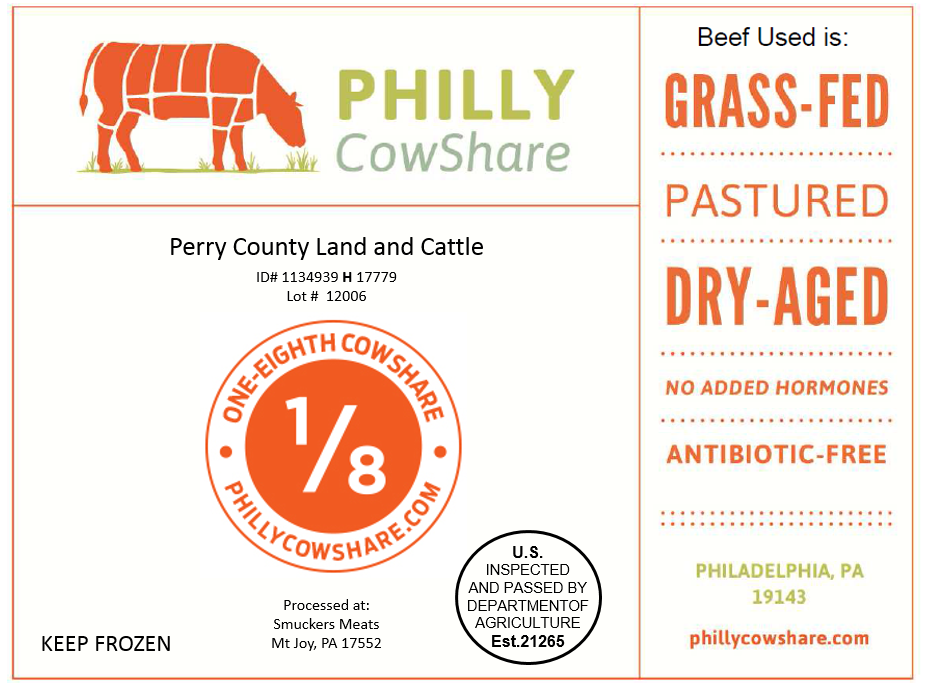
What those numbers represent to you, the consumer, is a reflection of both our quality and assurance. Those numbers are documentation--a verification of our protocols.
Throughout the life cycle of every animal we process, there are certain signifiers that are given. When the animal is born, its lineage is reflected in the farmer’s personal system. That is the basis for the number assigned on an ear tag. Upon processing, that animal is given a unique ID that is printed on every subsequent package of meat. The work order is based off our specific cutting instructions for that animal. And of course there is the USDA seal, which assures that everything was processed in a federally inspected facility.
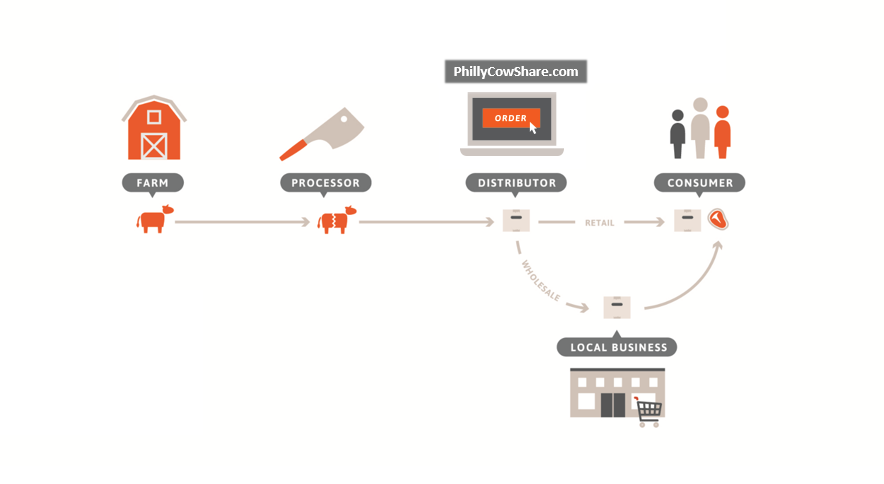
What this means is that we can look at any of those numbers, off a package or a box, and trace a single package of our beef or pork to one of our farms and to one of their animals! In a time of uncertainty in the world of food production, our promise to you is embodied in those numbers. We operate on a system of transparency, so ensuring traceability and verification every step of the way is central to our mission of providing the highest quality, fully pastured pork and grass fed beef.
So while numbers on packaging might feel like a ubiquitous sign of large-scale agriculture, for us it’s just a small window into our methods. Behind every one of those numbers is an animal that we’ve met in the pasture, that our farmers helped birth, and that our certified humane processor has handled. For us, that makes all the difference.